
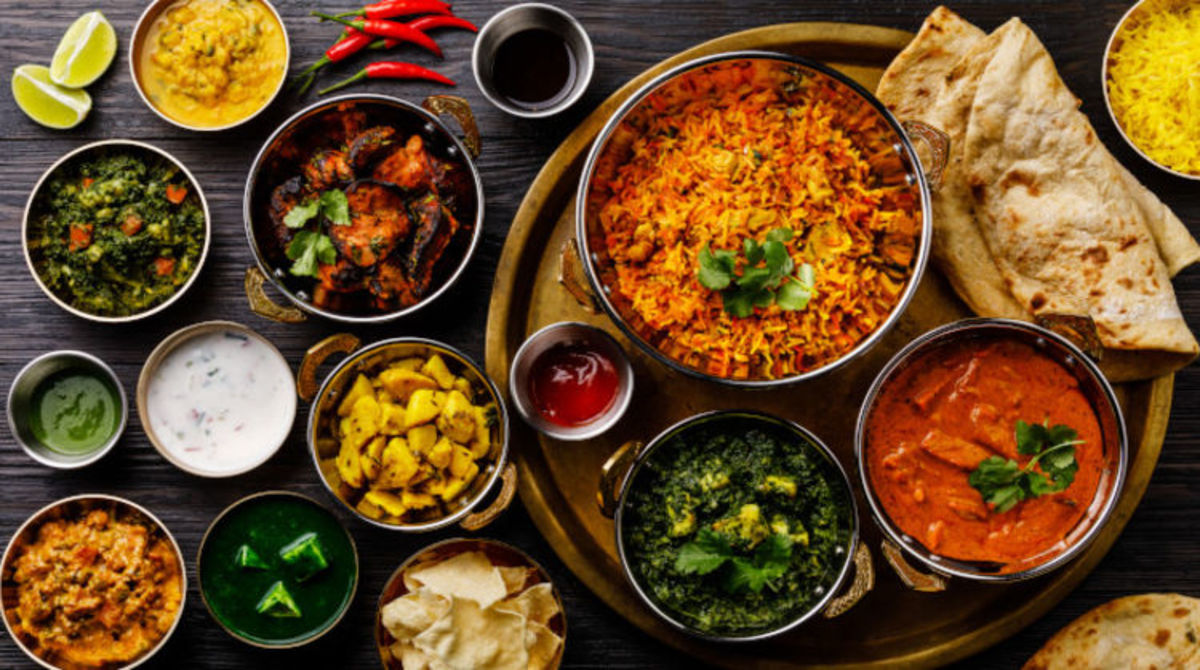
When it comes to weight loss, many people assume they must give up traditional foods and switch to bland, restrictive diets. However, Desi cuisine—rich in spices, whole grains, and diverse cooking methods—can actually support healthy weight management when approached mindfully. The key lies in understanding portion control, cooking techniques, and ingredient choices rather than abandoning cultural foods altogether.
In fact, a well-balanced Desi diet can not only help with physical health but also support mental-health, creating a sustainable and satisfying lifestyle rather than a short-term fix. Let’s explore how you can enjoy your favorite foods while working toward your weight loss goals.
Understanding the Basics of Weight Loss in a Desi Context
Weight loss ultimately depends on maintaining a calorie deficit—burning more calories than you consume. But this doesn’t mean drastically cutting out foods like rice, roti, or dal. Instead, it’s about balance.
Traditional Desi meals often include:
- Whole grains (roti, brown rice, millets)
- Lentils and legumes (dal, chana, rajma)
- Vegetables cooked with spices
- Dairy (curd, buttermilk, paneer)
These foods are inherently nutritious. The issue usually arises from excessive oil, deep-frying, large portions, and refined ingredients. By making small adjustments, you can transform everyday meals into weight-loss-friendly options without sacrificing flavor.
Smart Ingredient Swaps for Healthier Meals
One of the easiest ways to make Desi food healthier is by modifying ingredients:
1. Choose Whole Grains Over Refined Carbs
Switch from white rice to brown rice, quinoa, or millets like jowar and bajra. Replace maida-based items with whole wheat flour. These options are higher in fiber, helping you stay full longer.
2. Use Healthy Cooking Oils in Moderation
Traditional oils like mustard oil, coconut oil, and ghee can be part of a healthy diet—but in controlled amounts. Instead of deep frying, try sautéing, grilling, or steaming.
3. Increase Protein Intake
Protein helps with satiety and muscle maintenance. Add more dal, chickpeas, lentils, tofu, eggs, or grilled chicken to your meals. A protein-rich diet also supports mental-health by stabilizing blood sugar levels and reducing mood swings.
Weight-Loss-Friendly Desi Dishes
You don’t need to reinvent your kitchen. Many familiar dishes can be made healthier with small tweaks:
1. Vegetable Dalia (Broken Wheat Porridge)
Packed with fiber and nutrients, dalia is a great breakfast or light dinner option. Add plenty of vegetables and keep oil minimal.
2. Moong Dal Khichdi
A comforting, easy-to-digest dish that’s low in calories but high in nutrition. Use less ghee and add vegetables for extra fiber.
3. Grilled Tandoori Chicken or Paneer
Instead of fried snacks, opt for grilled versions marinated in yogurt and spices. These are high in protein and relatively low in fat.
4. Stir-Fried Sabzi
Use minimal oil and cook vegetables lightly to preserve nutrients. Add spices like turmeric, cumin, and coriander for flavor without extra calories.
5. Raita and Buttermilk
These probiotic-rich options aid digestion and keep you feeling full, making them excellent additions to a weight-loss diet.
Portion Control and Mindful Eating
Even healthy food can lead to weight gain if eaten in excess. Portion control is crucial. A balanced plate might look like:
- Half vegetables
- One-quarter protein (dal, chicken, paneer)
- One-quarter whole grains (roti or rice)
Mindful eating also plays a role. Eating slowly, avoiding distractions, and paying attention to hunger cues can prevent overeating. Interestingly, mindful eating practices are closely linked to improved mental-health, as they encourage a healthier relationship with food and reduce emotional eating.
The Role of Spices in Weight Loss
Desi cuisine is famous for its spices, many of which have health benefits:
- Turmeric: Anti-inflammatory properties
- Cumin (jeera): Aids digestion
- Ginger and garlic: Boost metabolism
- Chili peppers: May increase calorie burning
Using spices generously allows you to reduce salt and fat without compromising on taste.
Managing Cravings the Desi Way
Cravings are natural, especially when trying to lose weight. Instead of completely avoiding your favorite treats, try healthier versions:
- Bake samosas instead of frying them
- Use jaggery instead of refined sugar in desserts
- Opt for dark chocolate or a small portion of kheer made with low-fat milk
Allowing occasional indulgences can actually support mental-health by preventing feelings of deprivation, which often lead to binge eating.
Importance of Lifestyle Alongside Diet
Food is just one piece of the puzzle. For effective weight loss, combine a healthy diet with:
- Regular physical activity: Walking, yoga, or strength training
- Adequate sleep: Poor sleep can disrupt hunger hormones
- Stress management: Chronic stress can lead to weight gain
Desi practices like yoga and meditation can be especially helpful, promoting both physical fitness and mental-health.
Building a Sustainable Routine
The biggest mistake people make is treating weight loss as a temporary phase. Instead, aim for a lifestyle you can maintain long-term.
Start with small changes:
- Reduce oil gradually
- Add one extra serving of vegetables per day
- Replace sugary drinks with water or herbal teas
Consistency matters more than perfection. A diet rooted in familiar flavors is easier to stick to, making long-term success more achievable.
Conclusion
Healthy Desi food for weight loss isn’t about giving up your cultural identity—it’s about adapting it thoughtfully. By focusing on whole ingredients, mindful cooking methods, and balanced portions, you can enjoy delicious meals while working toward your health goals.
Equally important is the connection between diet and mental-health. A nourishing, satisfying approach to eating not only supports weight loss but also fosters a positive relationship with food and overall well-being.
In the end, the best diet is one that feels sustainable, enjoyable, and aligned with your lifestyle. With a few mindful adjustments, Desi cuisine can become a powerful ally in your weight loss journey.


