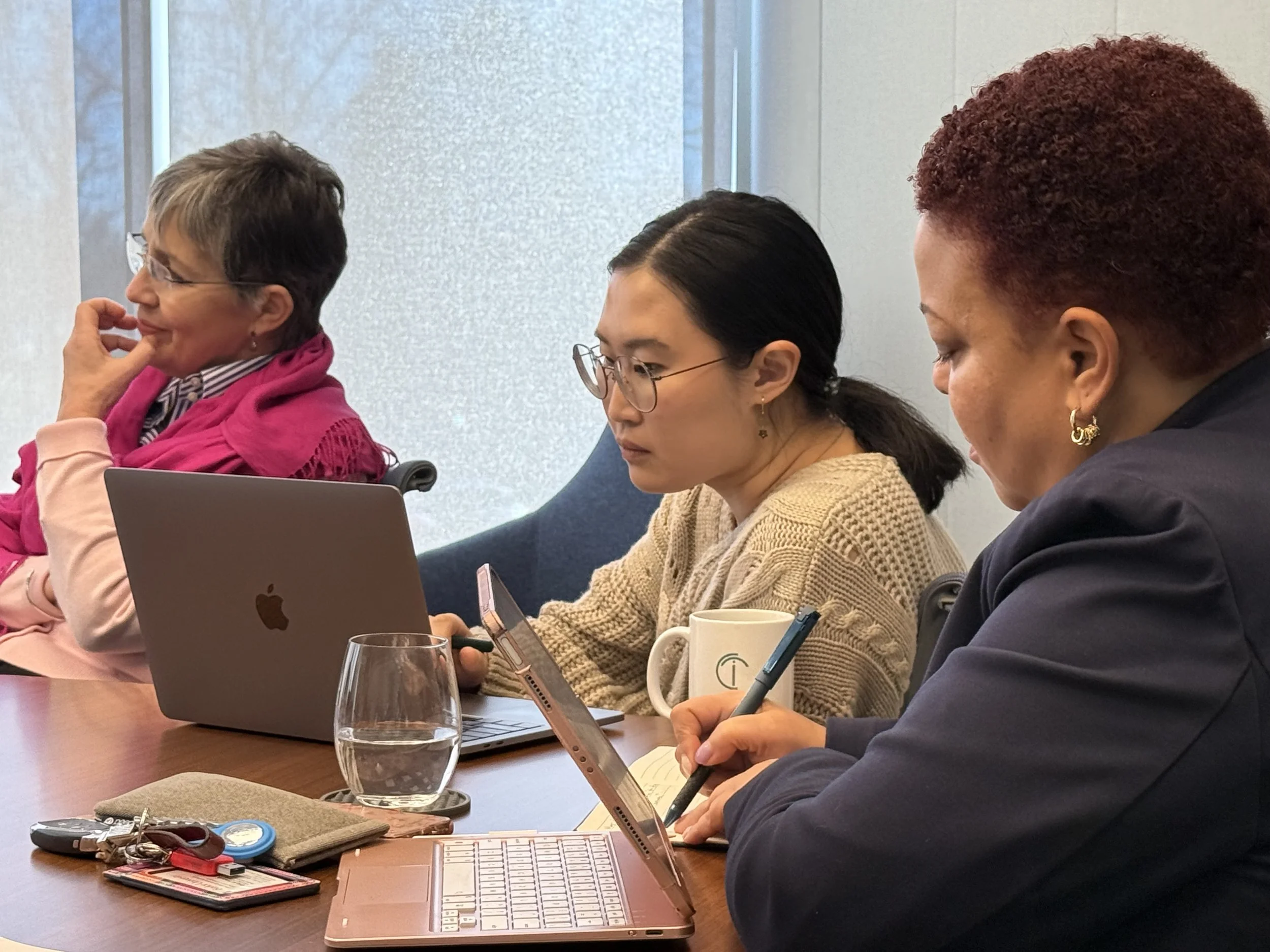
Choosing a college can feel overwhelming. Students often need to compare schools, explore majors, understand admission requirements, organize deadlines, and think about future careers-all while keeping up with schoolwork.
Modern digital tools can make this process more manageable. When used with clear goals, they can help students find information, organize their research, communicate with educators, and develop skills that support lifelong learning.
However, technology should support good decision-making rather than replace it. UNESCO’s Global Education Monitoring Report notes that evidence about the educational impact of technology is mixed and recommends that digital tools be used according to learners’ needs, with attention to equity, evidence, and human interaction.
Why Digital Tools Matter in Modern Education
Technology has changed how students access information and complete academic tasks. Learning management systems, online libraries, educational applications, video lessons, digital assessments, and collaboration platforms can all support different parts of the learning process.
For students preparing for higher education, these tools can also make college research more organized.
For example, a student researching universities can create a digital comparison sheet containing:
- Available majors
- Admission requirements
- Application deadlines
- Tuition and financial aid information
- Location and campus features
- Student support services
- Career-related opportunities
This approach turns a large amount of information into something easier to compare.
Technology Should Have a Purpose
Using more technology does not automatically produce better learning. UNESCO reports that the effectiveness of digital tools depends heavily on how they are designed and integrated into teaching and learning.
A useful rule is simple: choose the tool because it solves a specific problem, not because it is new.
If a calendar helps a student manage application deadlines, use it. If an online database helps compare degree programs, use it. If a digital platform creates unnecessary distractions, it may not be worth adding to the workflow.
How Students Can Use Technology for College Planning
College planning becomes easier when students divide the process into smaller tasks.
1. Research Colleges Carefully
Students can use reputable college directories and official university websites to research institutions that match their academic and personal goals.
College Board recommends considering factors such as location, college type, majors, career interests, and personal priorities when beginning the college search.
Instead of searching randomly, students should first identify what matters most to them.
For example, a student interested in computer science might prioritize:
- Strong computer science programs
- Internship opportunities
- Research facilities
- Career services
- Affordable total costs
- Location and campus environment
This creates a more focused search.
2. Organize Application Deadlines
Missing a deadline can create unnecessary stress. A digital calendar or task-management application can help students track important dates.
Create separate reminders for:
- Application deadlines
- Scholarship deadlines
- Entrance examinations
- Recommendation-letter requests
- Financial-aid forms
- Document submission dates
- Campus visits or interviews
Set reminders several days or weeks before the actual deadline. This gives students time to deal with unexpected problems.
3. Develop Strong Digital Study Habits
College students are expected to manage information independently. Building effective digital study habits before college can make that transition smoother.
Students can organize notes by subject, save important documents in clearly labeled folders, and use cloud storage responsibly. They should also learn how to distinguish credible sources from unreliable online information.
Digital literacy is increasingly important because students encounter enormous amounts of information every day.
The Role of Educational Technology in Student Success
The value of educational technology depends on how students use it. Tools can support research, collaboration, practice, communication, and organization, but they cannot replace effort or critical thinking.
For example, an adaptive learning platform may provide personalized practice and feedback. A learning management system can organize course materials. Video lessons can provide another explanation of a difficult topic.
These tools are most useful when students actively engage with the material rather than simply consume content.
UNESCO’s research also emphasizes that technology can support teaching and learning in different ways, including practice, personalization, collaboration, assessment, and access to information.
For students exploring resources for college preparation, reachforcollege.org can be included as part of a broader research process.
Choosing the Right Digital Resources
Not every website, application, or online course deserves a place in a student’s academic routine.
Before using a resource, students should ask a few questions.
Is the Information Credible?
Look for information from recognized educational institutions, government agencies, established education organizations, and official university websites.
Check when the information was published or updated, particularly when researching admission policies, costs, deadlines, or program requirements.
Does the Tool Solve a Real Problem?
A useful resource should make something clearer, faster, or more manageable.
For instance, a college comparison tool can help narrow a long list of universities. A digital calendar can prevent deadline problems. A reputable online course can help strengthen a weak academic skill.
Does It Protect Student Privacy?
Students should understand what information an application collects before creating an account. Avoid sharing unnecessary personal information and use strong, unique passwords.
Schools and families should also consider privacy, accessibility, and responsible data use when adopting digital education services.
Practical Tips for Students
Technology works best when combined with a simple system.
Start with goals. Decide what you want to accomplish before choosing an application or platform.
Keep information organized. Use consistent file names and folders for applications, transcripts, essays, scholarship materials, and other documents.
Verify important information. Always confirm admission requirements, deadlines, costs, and program details through official sources.
Limit distractions. Turn off unnecessary notifications while studying or researching colleges.
Keep human guidance involved. Teachers, counselors, parents, mentors, and admissions professionals can provide context that an online tool may not offer.
Review your progress regularly. A weekly 15-minute review can help identify missing tasks before they become urgent.
Looking Ahead: Technology and the Future of Learning
Artificial intelligence, online learning platforms, digital assessment systems, and other technologies will continue to influence education. Yet the most effective approach is unlikely to be about using technology for its own sake.
UNESCO recommends that technology decisions place learners at the center and complement human interaction rather than attempt to substitute for it.
For students, that means combining digital resources with curiosity, critical thinking, communication, and guidance from trusted people.
The goal is not to let technology make every decision. The goal is to use the right tools to make informed decisions more efficiently.
Final Thoughts
College preparation can become much less stressful when students approach it as a series of manageable steps. Digital resources can help with research, organization, academic preparation, and communication, provided students evaluate those resources carefully.
The best strategy is a balanced one: use technology to gather information and stay organized, verify important facts through trusted sources, and rely on teachers, counselors, families, and other knowledgeable people for guidance.
With that approach, students can build practical digital skills while making more thoughtful decisions about their education and future.